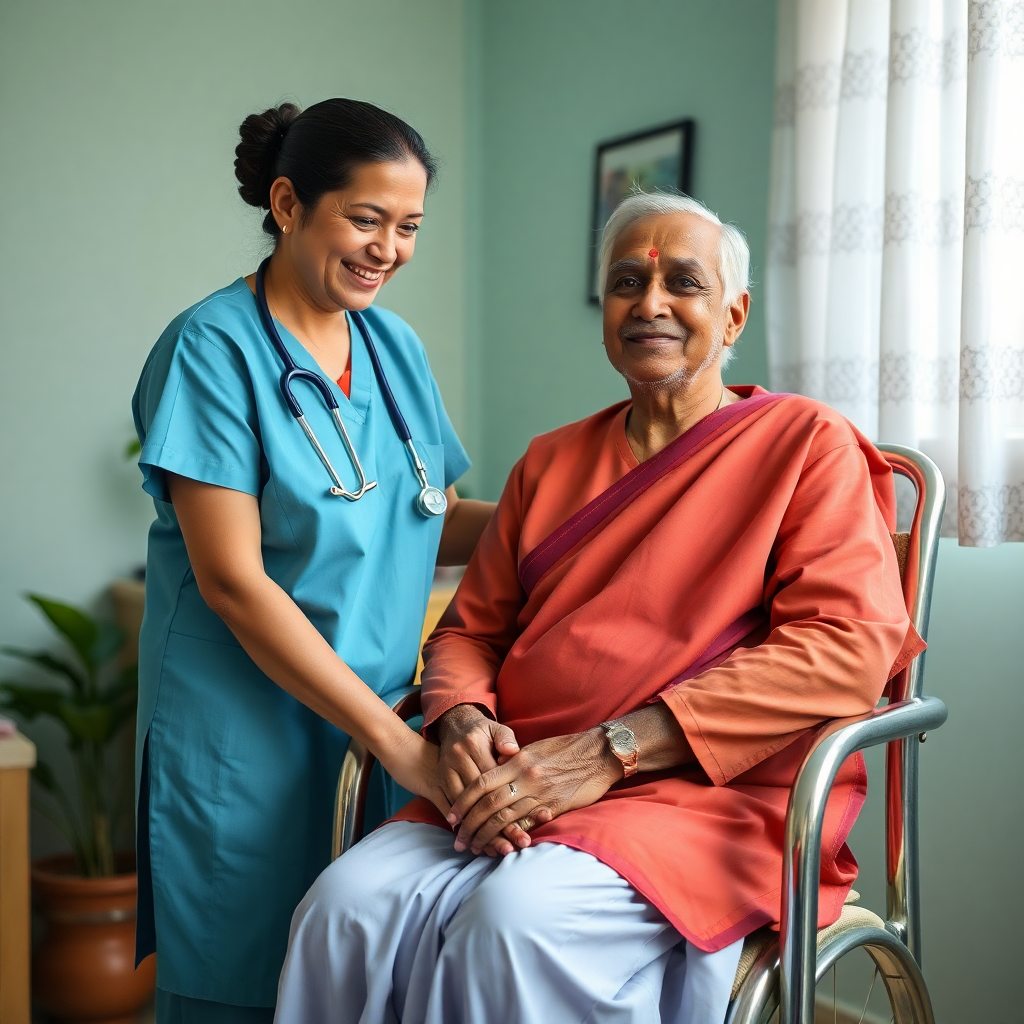

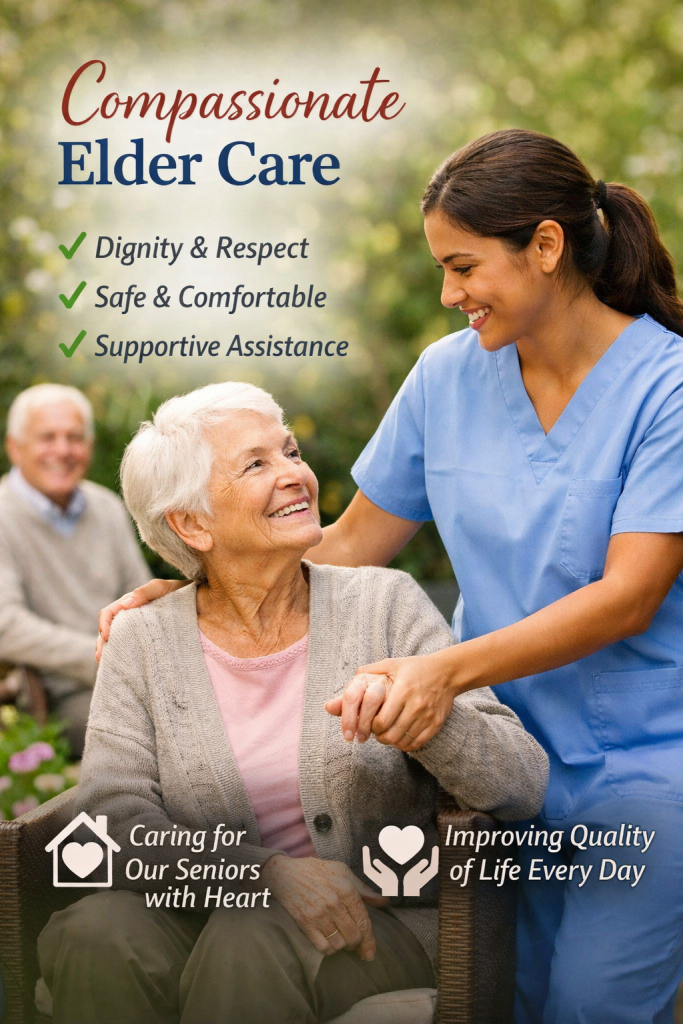
The traditional model of long-term hospital stays is being replaced by “Hospital-at-Home” initiatives. For patients recovering from surgery or managing chronic conditions like diabetes and heart disease, a home nurse provides more than just medical assistance; they provide autonomy.
Why Choose Home Nursing?
-
One-on-One Precision: Unlike a busy hospital ward, a home nurse focuses entirely on one patient, allowing for real-time adjustments to care plans based on immediate changes in vitals.
-
Lower Infection Risks: By avoiding clinical environments, vulnerable or immunocompromised patients significantly reduce their exposure to hospital-acquired infections (HAIs).
-
AI-Enhanced Monitoring: In 2026, home nurses use wearable sensors and AI dashboards to predict health dips before they become emergencies, bridging the gap between home and the doctor’s office.
Essential Duties of a Modern Home Nurse
-
Clinical Procedures: Administering IV therapy, managing catheters, wound dressing, and post-operative stitch care.
-
Medication Management: Ensuring complex dosages are timed perfectly and monitoring for adverse drug interactions.
-
Holistic Support: Assisting with mobility to prevent bedsores and educating family members on daily care techniques.
-
Emergency Response: Acting as a trained first responder who can stabilize a patient and coordinate with rapid-response medical teams.