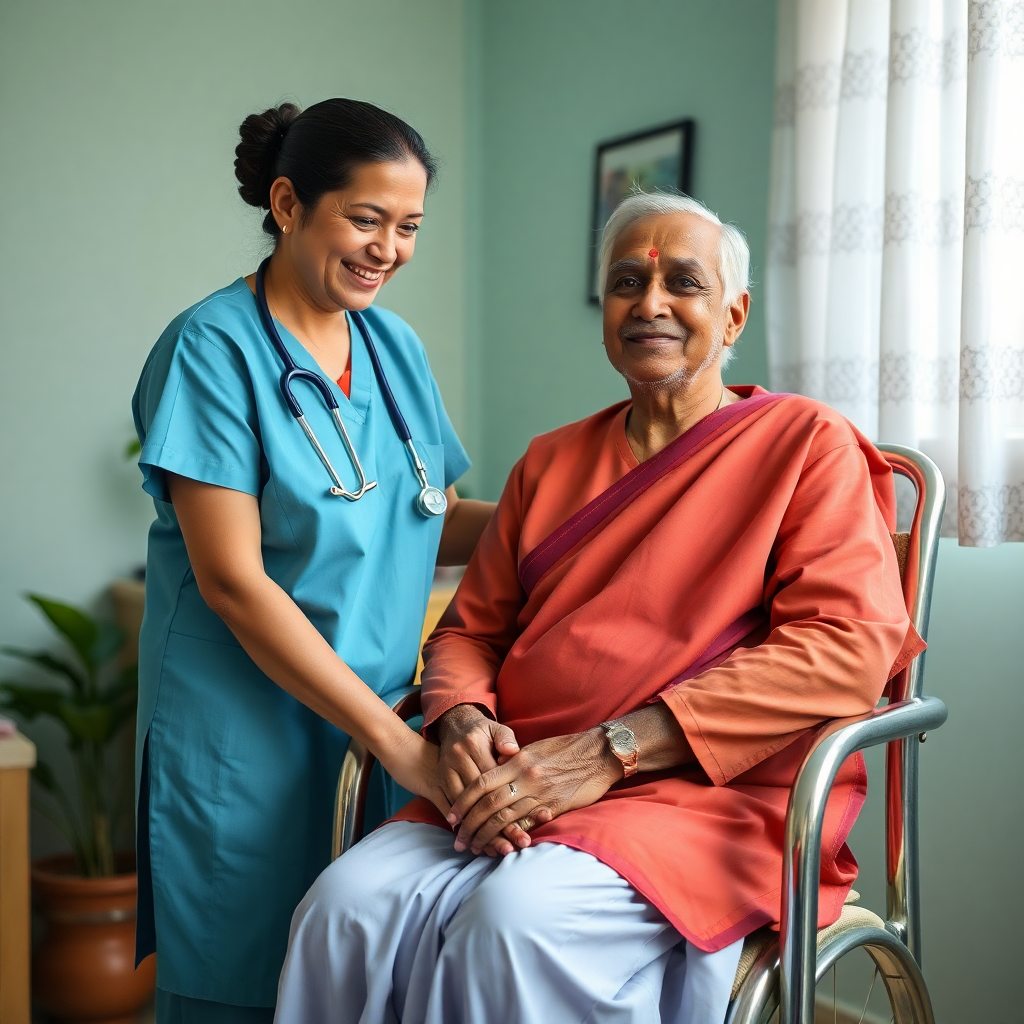


Elderly Care in India: Comprehensive Guide for Families and Caregivers
Elderly care, also known as senior care, is an essential aspect of family life, especially in India, where extended families often share multi-generational households. With advancing age, chronic illnesses, and mobility challenges, seniors require specialized attention, medical care, emotional support, and social engagement.
This comprehensive guide provides insights into elderly care in India, best practices for families and caregivers, available services, and tips for maintaining the health and well-being of seniors.
1. Understanding Elderly Care
Elderly care refers to support provided to senior citizens to ensure their physical, emotional, and social well-being. It involves:
- Medical Care: Managing chronic illnesses, regular check-ups, and medication.
- Daily Living Assistance: Helping with bathing, dressing, mobility, and nutrition.
- Emotional Support: Reducing loneliness, depression, and social isolation.
- Financial and Legal Guidance: Managing pensions, healthcare plans, and legal rights.
Providing comprehensive elderly care improves quality of life, independence, and dignity for seniors.
2. Why Elderly Care is Important
- Increasing Life Expectancy: India’s senior population is growing rapidly, making care a priority.
- Chronic Health Conditions: Seniors often face diabetes, hypertension, arthritis, and heart issues, requiring monitoring and care.
- Safety Concerns: Falls, injuries, and accidents are common without proper supervision.
- Mental Health: Social engagement and emotional support reduce stress, depression, and cognitive decline.
- Family Support: Elderly care enables families to provide love, guidance, and companionship while ensuring medical and practical needs are met.
Proper care ensures seniors live healthy, safe, and fulfilling lives.
3. Types of Elderly Care in India
3.1 Home Care
- Personalized Assistance: Caregivers assist with bathing, dressing, and meal preparation.
- Medical Support: Nursing visits, medication management, and physiotherapy at home.
- Comfort and Familiarity: Seniors remain in a familiar environment, maintaining independence.
3.2 Assisted Living Facilities
- Supportive Environment: Provides daily assistance, meals, and social activities.
- Safety Measures: Trained staff, emergency response systems, and mobility support.
- Community Engagement: Seniors interact with peers, reducing loneliness and isolation.
3.3 Nursing Homes
- Medical Care Priority: Suited for seniors with serious illnesses or chronic conditions.
- 24/7 Supervision: Round-the-clock nursing care and monitoring.
- Rehabilitation Services: Physiotherapy, occupational therapy, and specialized treatments.
3.4 Daycare Centers
- Daytime Support: Seniors attend for social interaction, activities, and medical monitoring.
- Family Relief: Provides family members with temporary relief while ensuring proper care.
Families can choose a combination of care types based on needs, budget, and health requirements.
4. Challenges in Elderly Care
- Lack of Awareness: Many families are unaware of professional services and government schemes.
- Limited Accessibility: Rural areas often lack specialized care facilities.
- Financial Constraints: Quality elderly care can be expensive for some families.
- Emotional Stress: Caregiving can be physically and emotionally taxing for family members.
- Healthcare Gaps: Shortage of trained geriatric specialists and caregivers in some regions.
Recognizing these challenges helps families plan better and seek professional assistance when necessary.
5. Tips for Effective Elderly Care
5.1 Medical Care
- Schedule regular health check-ups for early detection of chronic conditions.
- Maintain a medication schedule and ensure adherence.
- Consult geriatric specialists for complex medical needs.
5.2 Nutrition and Lifestyle
- Ensure a balanced diet rich in protein, calcium, and vitamins.
- Encourage physical activity suitable for the senior’s abilities, like walking or light exercises.
- Promote hydration and healthy sleep patterns.
5.3 Emotional and Social Support
- Spend quality time with seniors and encourage social interaction.
- Engage them in hobbies, games, and spiritual activities.
- Address mental health concerns like anxiety or depression promptly.
5.4 Home Safety
- Install grab bars, non-slip mats, and adequate lighting to prevent falls.
- Keep emergency contacts and medical information accessible.
- Ensure mobility aids like walkers or wheelchairs are available if needed.
5.5 Legal and Financial Planning
- Maintain wills, property documents, and pension details for clarity.
- Understand senior citizen rights under Indian law.
- Consider health insurance and long-term care policies for financial security.
Comprehensive care involves physical, emotional, and financial planning to ensure seniors live comfortably and safely.
6. Government and Professional Support in India
Several initiatives and services are available for senior citizens:
- National Programme for Health Care of the Elderly (NPHCE): Government initiative for health check-ups, screening, and geriatric care.
- Old Age Pension Schemes: Financial support for senior citizens below the poverty line.
- Legal Rights: Rights to property, protection against abuse, and maintenance under Maintenance and Welfare of Parents and Senior Citizens Act, 2007.
- Professional Care Services: Trained caregivers, home nurses, and elder care consultants in urban areas.
Leveraging these resources helps families deliver quality care while complying with legal and medical standards.
7. Role of Caregivers in Elderly Care
Caregivers play a crucial role in maintaining daily routines, health, and emotional well-being of seniors. Responsibilities include:
- Assisting with personal hygiene and mobility.
- Administering medications and monitoring vital signs.
- Providing companionship and social interaction.
- Reporting changes in health or behavior to family or medical professionals.
Professional and empathetic caregivers ensure seniors receive consistent and attentive support.
8. Benefits of Proper Elderly Care
- Improved Health Outcomes: Regular medical supervision and lifestyle support.
- Enhanced Safety: Reduced risk of accidents, injuries, and neglect.
- Mental Well-Being: Emotional support reduces stress, depression, and cognitive decline.
- Family Peace of Mind: Families can focus on personal and professional responsibilities without compromising senior care.
- Longevity and Quality of Life: Seniors live longer, healthier, and more fulfilling lives.
Proper elderly care is a holistic approach encompassing health, safety, and emotional fulfillment.
9. Conclusion
Elderly care in India is more than just physical assistance; it encompasses medical attention, emotional support, legal guidance, and social engagement. Families and caregivers play a vital role in ensuring seniors live with dignity, comfort, and independence.
By understanding the types of care, challenges, government schemes, and best practices, families can provide comprehensive support that enhances the quality of life and well-being of senior citizens. Investing time, resources, and empathy in elderly care ensures a safe, happy, and fulfilling life for the aging population.