
Home Nurse Services: Professional Nursing Care at Home for Patients and Seniors
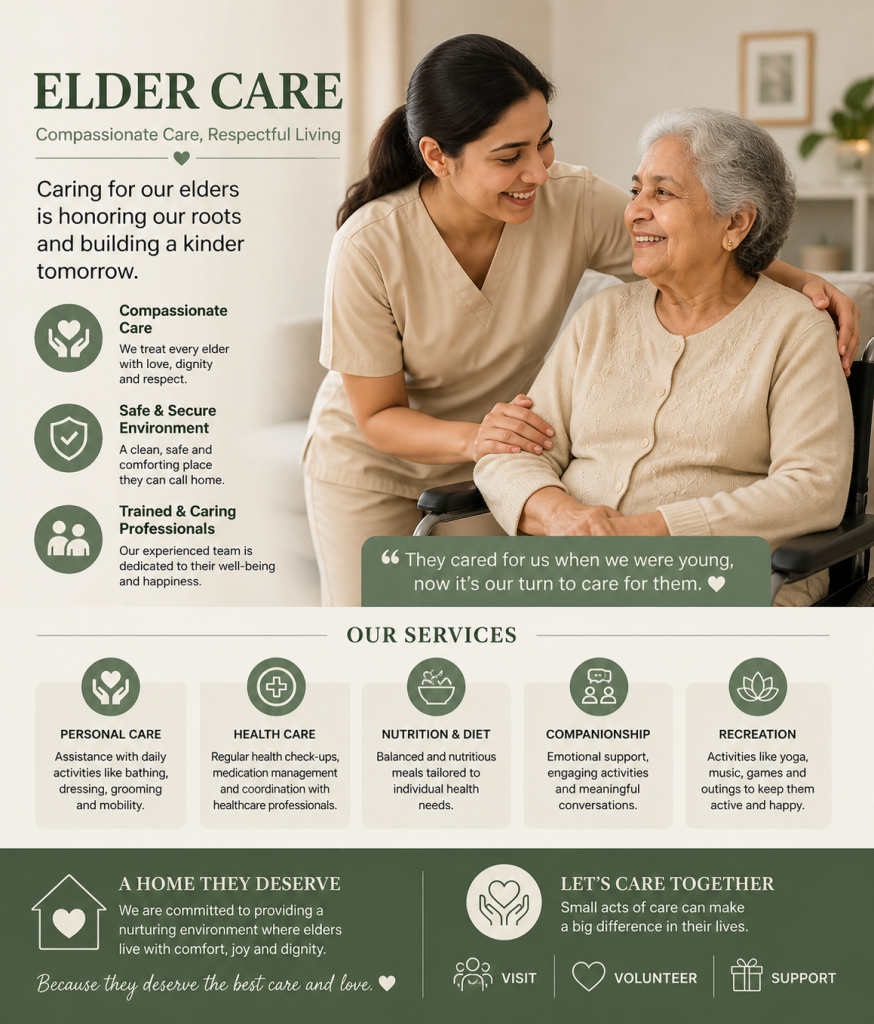
Home nurse services provide professional healthcare support to patients who need nursing assistance while recovering or managing their health at home. These services can be particularly helpful for elderly patients, bedridden individuals, post-surgical patients, people with chronic conditions, and those recently discharged from a hospital.
Home-based nursing can include health monitoring, medication support, wound care, mobility assistance, catheter or tube care, and other nursing activities depending on the patient’s medical requirements. Professional home care allows families to receive additional support while the patient remains in a familiar home environment.
What Are Home Nurse Services?
Home nursing involves providing appropriate nursing care at the patient’s residence instead of requiring the patient to remain in a hospital or nursing facility. The level of care depends on the patient’s condition and should be determined according to professional medical advice.
Services may include:
- Monitoring blood pressure, temperature, blood sugar and other vital signs
- Medication and injection administration where clinically appropriate
- Wound dressing and wound monitoring
- Catheter and feeding-tube care
- Assistance with mobility and repositioning
- Post-operative nursing care
- Support for bedridden patients
- Elderly care and chronic-condition support
- Basic rehabilitation assistance
- Monitoring changes in the patient’s condition
The exact services should always match the nurse’s qualifications and the patient’s care plan.
Who Can Benefit From a Home Nurse?
Home nursing can be useful for several categories of patients.
1. Elderly Patients
Senior citizens may require assistance with medication schedules, mobility, personal care and regular health monitoring. Professional support can help families manage ongoing care at home.
2. Post-Surgery Patients
Patients recovering from surgery may need wound care, medication management, mobility assistance and regular monitoring during the recovery period.
3. Bedridden Patients
Long-term bedridden patients may require regular repositioning, hygiene assistance, nutritional support and monitoring to reduce avoidable complications.
4. Patients With Chronic Conditions
Individuals living with long-term health conditions may benefit from regular monitoring and professional assistance at home, depending on their doctor’s recommendations.
5. Patients Recently Discharged From Hospital
Hospital discharge does not always mean complete recovery. Some patients continue to require nursing supervision, medication support, wound care or assistance with daily activities after returning home.
Benefits of Hiring a Professional Home Nurse
Personalized Attention
A home nurse can focus on the patient’s individual care requirements and follow the prescribed care plan.
Comfortable Recovery Environment
Patients can receive appropriate support while staying in their familiar surroundings. This can be especially valuable for elderly and recovering patients.
Regular Health Monitoring
Professional monitoring can help families identify changes in a patient’s condition and seek medical attention when necessary.
Support for Family Caregivers
Family members may find it difficult to manage work, household responsibilities and continuous patient care. A trained professional can provide valuable assistance and reduce the caregiving burden. NITI Aayog’s 2026 report also highlights the importance of strengthening structured home-based care and caregiver support in India.
Continuity of Care
A properly planned home-care service can help maintain continuity between hospital discharge, recovery and long-term care.
How to Choose the Right Home Nurse Service
Families should evaluate a home-care provider carefully before making a decision.
Consider:
- Nurse’s professional qualifications and experience
- Training relevant to the patient’s condition
- Background and identity verification
- Availability of supervision and support
- Emergency escalation procedures
- Replacement arrangements if the assigned nurse is unavailable
- Clearly defined services and working hours
- Written terms and transparent charges
- Communication between the care provider, patient and family
Professional home-care organizations commonly use background verification and structured caregiver selection processes. Families should also confirm whether the person assigned is a qualified nurse or a caregiver/attendant because their roles and permitted responsibilities can differ.
Home Nurse vs. Patient Care Attendant
A home nurse and a patient care attendant are not necessarily the same.
A qualified nurse may provide nursing services within their professional scope, such as clinical monitoring, wound care and other prescribed nursing procedures.
A patient care attendant generally focuses on daily-living support such as hygiene, feeding, mobility assistance, companionship and medication reminders.
Therefore, families should select the level of care according to the patient’s actual medical and personal needs.
When Is Home Nursing Not Enough?
Home nursing is not a substitute for emergency medical treatment or hospitalization when a patient’s condition requires urgent or advanced medical intervention.
If a patient develops serious symptoms, sudden deterioration, breathing difficulty, loss of consciousness, severe bleeding or another medical emergency, the family should seek emergency medical assistance immediately rather than relying solely on home nursing.
Conclusion
Home nurse services can provide valuable professional support for elderly patients, post-operative patients, bedridden individuals and people who need ongoing care at home. The right service can improve continuity of care, support families and help patients receive appropriate assistance in a familiar environment.
However, choosing the right provider is essential. Families should verify qualifications, experience, background checks, service scope, supervision and emergency procedures before hiring a home nurse. Most importantly, home nursing should complement—not replace—medical advice and treatment from qualified healthcare professionals.