

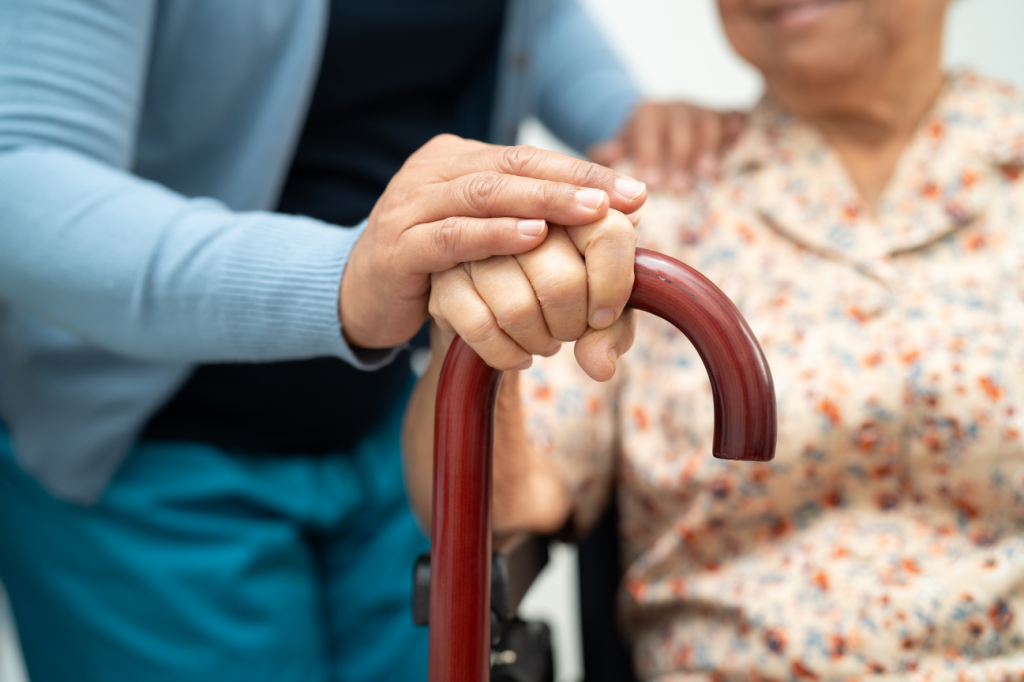
Home Nurse Services: A Complete Guide to Professional Medical Care at Home
In today’s fast-paced world, healthcare needs are evolving rapidly. While hospitals and clinics remain essential, many patients now prefer receiving quality medical care in the comfort of their own homes. This growing demand has led to the rise of home nurse services, a vital component of modern healthcare delivery. Home nursing bridges the gap between hospital care and independent living, offering professional medical support along with compassion and personalized attention.
Home nurse services are especially beneficial for elderly individuals, patients recovering from surgery, people with chronic illnesses, and those requiring long-term medical supervision. This blog explores the concept of home nursing in depth, its benefits, types of services offered, who can benefit, and how to choose the right home nurse for your loved ones.
What Are Home Nurse Services?
Home nurse services involve the provision of trained and qualified nursing care at a patient’s residence. These services are delivered by registered nurses, auxiliary nurse midwives (ANMs), or certified caregivers under medical guidance. Unlike general caretakers, home nurses possess clinical expertise and are capable of handling medical procedures that require professional supervision.
The objective of home nursing is to ensure continuity of care, promote faster recovery, and maintain the patient’s dignity and comfort outside a hospital setting. Home nurses work closely with doctors, physiotherapists, and family members to create a comprehensive and personalized care plan.
The Growing Importance of Home Nursing Care
Several factors have contributed to the increasing popularity of home nurse services:
-
Aging population requiring continuous medical support
-
Rise in chronic diseases such as diabetes, hypertension, and neurological disorders
-
High hospital costs and limited hospital beds
-
Preference for home-based recovery after surgery or illness
-
Need for personalized and one-on-one care
Home nursing has emerged as a practical and humane alternative to prolonged hospital stays, ensuring medical safety while preserving emotional well-being.
Types of Home Nurse Services
Home nursing services are not one-size-fits-all. They are customized based on the patient’s medical condition, age, and recovery needs. Below are the major types of home nurse services:
1. Elderly Care at Home
Senior citizens often require assistance with daily activities along with medical supervision. Home nurses help manage age-related conditions such as arthritis, dementia, Parkinson’s disease, and post-stroke complications. They monitor vital signs, ensure medication compliance, assist with mobility, and provide emotional support, allowing elderly individuals to age gracefully at home.
2. Post-Surgical Care
After discharge from the hospital, patients need proper medical attention to avoid complications. Home nurses assist with wound care, dressing changes, pain management, catheter care, injections, and monitoring recovery progress. This reduces hospital readmissions and promotes faster healing.
3. Chronic Illness Management
Patients suffering from long-term illnesses like diabetes, asthma, heart disease, kidney disorders, or cancer benefit greatly from home nursing. Nurses regularly monitor health parameters, administer medications, manage symptoms, and educate patients and families on lifestyle adjustments.
4. ICU and Critical Care at Home
Advanced home healthcare now allows ICU-level care at home for stable yet critical patients. Trained nurses manage ventilators, oxygen therapy, feeding tubes, tracheostomy care, and continuous monitoring, under strict medical protocols.
5. Mother and Baby Care
Home nurses also provide postnatal care for new mothers and newborns. Services include breastfeeding support, monitoring maternal recovery, baby hygiene, vaccination guidance, and newborn care education.
6. Palliative and End-of-Life Care
For patients with terminal illnesses, home nursing ensures comfort, pain management, and emotional support. Palliative care nurses focus on improving quality of life while respecting the patient’s dignity and wishes.
Key Responsibilities of a Home Nurse
A professional home nurse performs a wide range of medical and supportive duties, including:
-
Monitoring vital signs such as blood pressure, pulse, temperature, and oxygen levels
-
Administering medications, injections, and IV fluids
-
Wound care and dressing changes
-
Catheterization and ostomy care
-
Blood sugar testing and insulin administration
-
Assistance with mobility and physiotherapy exercises
-
Maintaining medical records and reporting changes to doctors
-
Ensuring hygiene and infection control
-
Providing emotional reassurance and patient counseling
Their role extends beyond medical tasks, as they often become a source of trust and emotional stability for patients.
Benefits of Home Nurse Services
1. Comfort and Familiar Environment
Recovering at home reduces stress and anxiety. Patients feel emotionally secure in familiar surroundings, which positively impacts healing and mental health.
2. Personalized One-on-One Care
Unlike hospitals where nurses attend to multiple patients, home nursing offers dedicated attention tailored to the patient’s specific needs.
3. Reduced Risk of Infections
Hospitals expose patients to infections. Home care minimizes this risk by maintaining a controlled and hygienic environment.
4. Cost-Effective Healthcare Solution
Home nursing often proves more economical than extended hospital stays, especially for long-term or elderly care.
5. Family Involvement and Transparency
Family members remain actively involved in care decisions, ensuring transparency and better understanding of the patient’s condition.
6. Faster Recovery and Better Outcomes
Personalized care, emotional support, and reduced hospital stress contribute to quicker recovery and improved health outcomes.
Who Can Benefit from Home Nurse Services?
Home nurse services are ideal for:
-
Elderly individuals living alone or with limited mobility
-
Patients recovering from surgery or serious illness
-
Individuals with chronic or lifestyle diseases
-
Persons with disabilities or neurological conditions
-
Patients requiring long-term or palliative care
-
Families seeking professional medical support at home
Whether short-term or long-term, home nursing adapts to diverse healthcare needs.
How to Choose the Right Home Nurse Service
Selecting the right home nursing provider is crucial. Here are some important factors to consider:
1. Qualifications and Experience
Ensure the nurse is certified, trained, and experienced in handling the patient’s specific medical condition.
2. Background Verification
Reputable agencies conduct proper background checks and credential verification for safety and reliability.
3. Customized Care Plans
Choose a service provider that offers personalized care plans rather than generic packages.
4. Availability and Flexibility
Depending on the need, opt for hourly, full-time, or 24/7 nursing support.
5. Medical Supervision
Home nurses should work under the guidance of registered doctors and follow established medical protocols.
6. Transparent Pricing
Clear pricing structures without hidden charges reflect professionalism and trustworthiness.
The Role of Home Nursing in India’s Healthcare System
In India, home nurse services are becoming increasingly significant due to rising healthcare costs, nuclear families, and longer life expectancy. Urban areas, in particular, are witnessing a surge in demand for professional home healthcare services.
Home nursing supports the healthcare system by reducing hospital overcrowding and allowing hospitals to focus on critical cases. It also ensures accessible medical care for patients who may face mobility or logistical challenges.
Future of Home Nurse Services
With advancements in medical technology and telemedicine, home nursing is set to expand further. Remote monitoring devices, digital health records, and virtual doctor consultations are enhancing the efficiency of home-based care.
As awareness grows, home nursing will continue to be an integral part of patient-centered healthcare, blending medical expertise with compassion.
Conclusion
Home nurse services have transformed the way healthcare is delivered, making professional medical care accessible, affordable, and patient-friendly. By combining clinical expertise with personalized attention, home nurses ensure safety, dignity, and comfort for patients of all ages.
Whether it is elderly care, post-surgical recovery, chronic disease management, or palliative support, home nursing empowers patients to heal and live with confidence in their own homes. Choosing the right home nurse service is an investment in health, peace of mind, and quality of life.