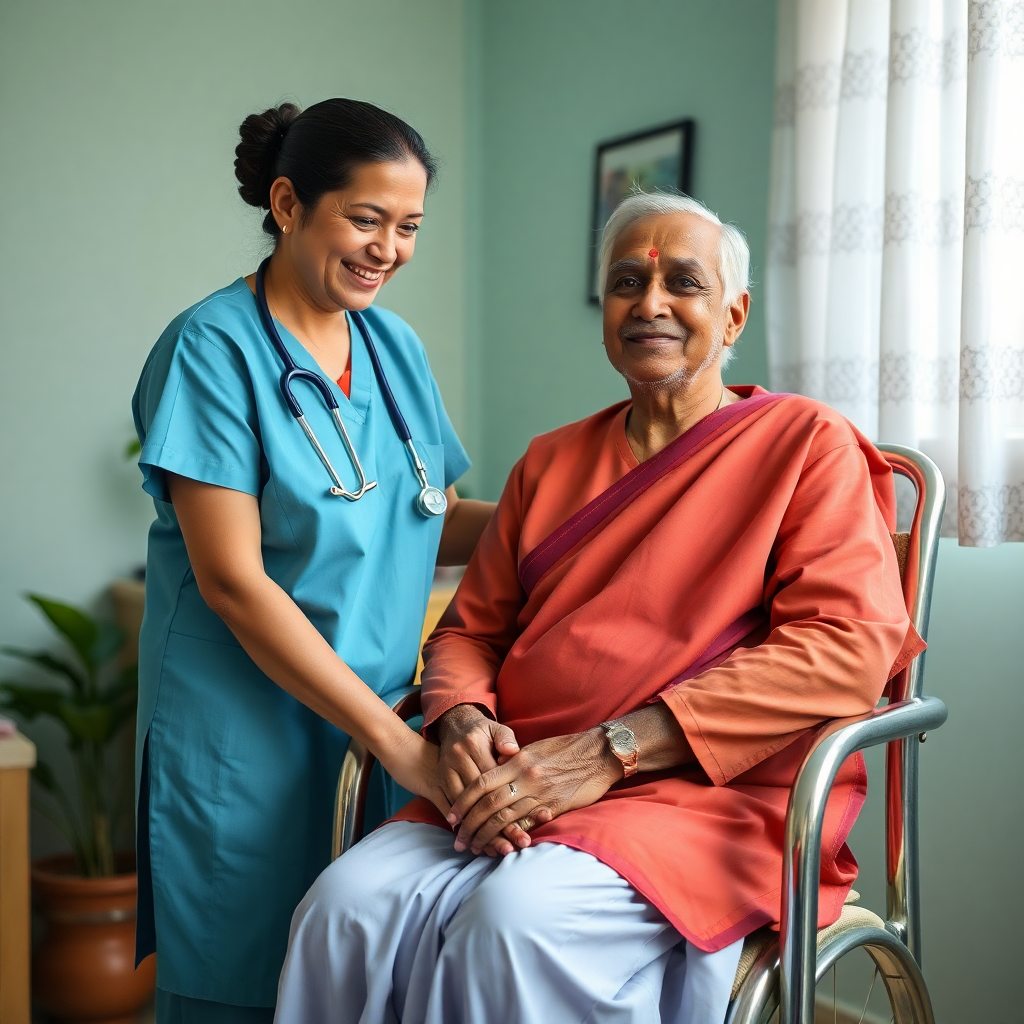


Impact of Elder Care in India: Challenges, Opportunities & Social Change
Introduction
India is rapidly transforming demographically. With increasing life expectancy and declining birth rates, the elderly population (aged 60+) is growing significantly. According to recent estimates, India is on track to become one of the world’s largest populations of senior citizens. This demographic shift brings forth new social, economic, and health-care challenges, making elderly care an urgent national priority.
Why Elder Care Matters in India Today
1. Changing Family Structure
Traditional Indian families once lived in joint family systems, where elderly parents were cared for at home by children and relatives. However, modernization, urbanization, and migration for jobs have led to nuclear families, reducing the extended support system that once looked after seniors.
This transition has:
-
Increased isolation among elderly people
-
Prompted demand for professional caregiving services
-
Highlighted the need for senior friendly communities
Key Challenges in Elder Care
1. Health and Medical Needs
Elderly individuals are more prone to chronic illnesses like:
-
Diabetes
-
Hypertension
-
Arthritis
-
Cardiovascular diseases
Access to affordable geriatric healthcare, rehabilitation, and long-term medical supervision remains limited in many parts of India.
2. Economic Insecurity
Many seniors lack adequate financial support due to:
-
Limited pension coverage
-
Dependence on children
-
Rising medical costs
This can cause stress, financial strain, and reduced quality of life in older age.
3. Emotional & Social Well-Being
With family members away for work or living in different cities:
-
Elderly people experience loneliness
-
Mental health issues like depression and anxiety increase
-
Social exclusion becomes common
Community programs and senior-friendly spaces are crucial for emotional support.
Rising Demand for Professional Elder Care Services
With changing lifestyles and increasing awareness, there’s a growing need for:
-
Home-based caregiver services
-
Geriatric healthcare professionals
-
Senior living communities and assisted living facilities
-
Rehabilitation and physiotherapy services for elders
This demand is also generating new employment opportunities in caregiving and wellness sectors.
Government Initiatives & Support Systems
The Government of India has launched several schemes for senior citizens, such as:
-
Indira Gandhi National Old Age Pension Scheme
-
Rashtriya Vayoshri Yojana
-
Health insurance support for elderly beneficiaries
Despite these efforts, accessibility and effectiveness need more strengthening for rural and underserved communities.
Role of Technology in Elder Care
Technology is playing a transformative role in enhancing elder care:
-
Telemedicine and online consultations
-
Wearable health monitors
-
Mobile apps for medicine reminders
-
Virtual social platforms for senior interactions
These innovations help elderly individuals manage their health and stay connected with family and caregivers.
Impact on Family Members & Caregivers
Caring for elderly relatives also affects family members emotionally, financially, and socially:
-
Caregiver stress and burnout
-
Need for support groups and counseling
-
Balancing work, life, and caregiving responsibilities
Workplaces and communities are increasingly recognizing the importance of caregiver support programs.
Benefits of Quality Elder Care
Good elder care can significantly improve quality of life by:
-
Enhancing physical health and mobility
-
Reducing risk of depression and anxiety
-
Increasing independence and dignity
-
Strengthening family bonds and emotional well-being
Investing in elder care leads to healthier societies and stronger communities.
Conclusion
Elder care in India is no longer just a family concern — it’s a national social priority. With a growing elderly population, evolving family systems, and rising healthcare needs, India must build a robust elder care ecosystem that supports dignity, health, and well-being.
Comprehensive elder care benefits not just seniors but families, communities, and the nation as a whole. Prioritizing elder care today means ensuring a safer, healthier, and more compassionate India tomorrow.