

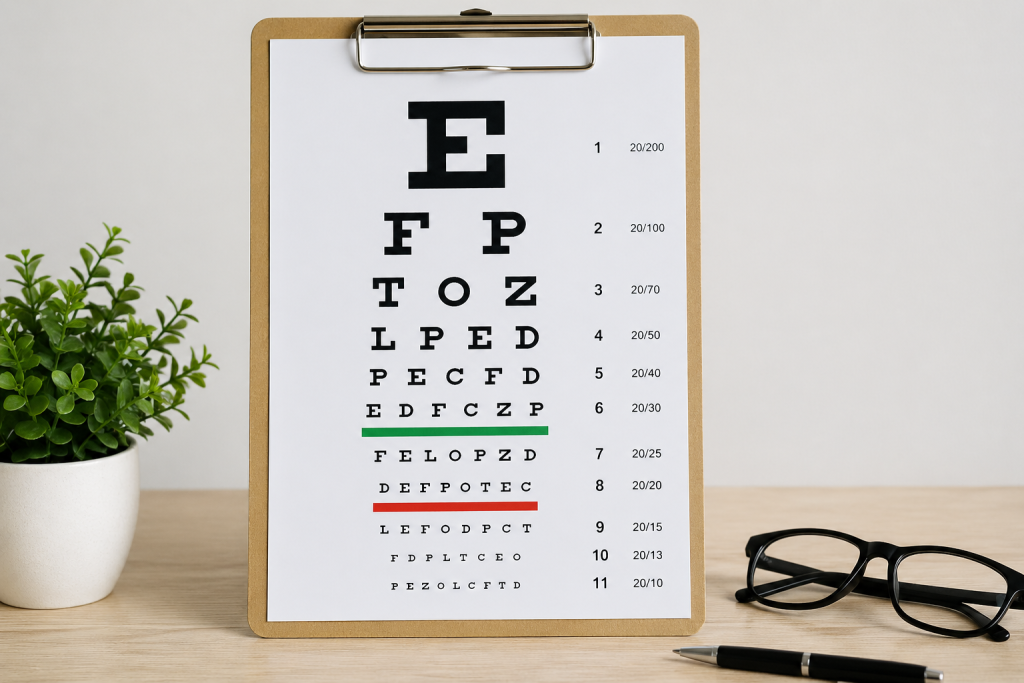
Eye testing is an essential part of maintaining good vision and overall eye health. Regular eye examinations help detect vision problems, eye diseases, and health conditions at an early stage, allowing timely treatment and prevention of serious complications. Many people ignore eye testing until they experience blurred vision, headaches, or discomfort, but routine eye checkups are important for people of all ages.
Eye testing is not only about checking the power of glasses. It also helps identify conditions such as cataract, glaucoma, dry eyes, retinal disorders, diabetes-related eye problems, and age-related vision loss. Early diagnosis improves treatment success and protects long-term eye health.
With increasing screen time, pollution, and lifestyle changes, regular eye testing has become more important than ever.
What is Eye Testing
Eye testing is a professional examination of the eyes to assess vision quality, detect refractive errors, and evaluate the overall health of the eyes.
It includes checking for nearsightedness, farsightedness, astigmatism, and age-related vision changes.
An eye test may also involve checking eye pressure, retina condition, corneal health, color vision, depth perception, and muscle coordination.
Depending on age and symptoms, advanced testing may be recommended for diseases like glaucoma or retinal damage.
Eye testing helps both diagnosis and prevention.
It supports clear vision and healthy daily functioning.
Why Regular Eye Testing is Important
Many eye conditions develop slowly and without obvious symptoms in the early stages.
People may not realize their vision is changing until daily activities become difficult.
Regular testing helps detect issues before permanent damage occurs.
Children need eye tests for proper learning and development, while adults need regular checkups for work efficiency and driving safety.
Senior citizens require monitoring for cataracts, glaucoma, and age-related macular changes.
Eye testing also helps detect health problems like diabetes and high blood pressure through retinal examination.
Preventive care protects both vision and overall health.
Vision Power Testing
One of the most common parts of an eye exam is checking refractive errors.
This determines whether a person needs glasses or contact lenses and what prescription strength is required.
Common refractive errors include myopia (difficulty seeing far objects), hyperopia (difficulty seeing near objects), astigmatism (blurred or distorted vision), and presbyopia (age-related near vision difficulty).
Correct prescription improves reading, driving, work performance, and overall comfort.
Improper or outdated glasses can cause headaches and eye strain.
Regular updates are necessary for clear and comfortable vision.
Eye Pressure and Glaucoma Screening
Glaucoma is a serious eye disease that can damage the optic nerve and cause permanent blindness if untreated.
Eye pressure testing helps detect the risk of glaucoma early.
This is especially important for people over 40, diabetics, and those with a family history of glaucoma.
Since glaucoma often develops without pain or early warning signs, routine screening is critical.
Early diagnosis allows treatment that can preserve sight.
Ignoring glaucoma can result in irreversible vision loss.
Prevention depends on timely testing.
Retina and Internal Eye Examination
Retinal examination helps doctors check the back part of the eye, including the retina, optic nerve, and blood vessels.
This is important for detecting diabetic retinopathy, retinal detachment, macular degeneration, and hypertension-related eye changes.
People with diabetes should have regular retinal testing because damage may occur without noticeable symptoms.
Retinal health is closely connected to overall medical health.
Advanced imaging tests improve diagnosis and treatment planning.
Internal eye examination is often a key part of complete eye care.
Healthy retina means stronger long-term vision.
Eye Testing for Children
Children may not always realize they have vision problems.
Poor eyesight can affect school performance, reading ability, concentration, and confidence.
Signs include frequent headaches, squinting, sitting too close to screens, or difficulty seeing the classroom board.
Regular pediatric eye testing helps identify lazy eye, squint, refractive errors, and developmental vision issues.
Early treatment is more effective during childhood.
Parents should include eye testing as part of routine health care.
Clear vision supports better learning and development.
Eye Testing for Senior Citizens
Aging increases the risk of cataracts, glaucoma, dry eyes, and retinal diseases.
Senior citizens should have regular eye exams even without visible symptoms.
Cataracts cause cloudy vision and may require surgery for better sight.
Age-related macular degeneration affects central vision and daily independence.
Early testing helps manage these conditions before they become severe.
Maintaining vision improves safety, mobility, and quality of life for older adults.
Healthy aging includes regular eye care.
Vision independence matters greatly in later years.
Digital Eye Strain and Modern Lifestyle
Long hours on computers, mobile phones, and digital screens create eye strain, dryness, blurred vision, and headaches.
This condition is common among students, office workers, and professionals.
Eye testing helps identify whether symptoms are caused by screen use or prescription changes.
Doctors may recommend blue light protection, screen habits, lubricating drops, and proper lighting adjustments.
The 20-20-20 rule is often advised—every 20 minutes, look at something 20 feet away for 20 seconds.
Lifestyle awareness is important for eye comfort.
Modern work habits require smarter eye care.
Contact Lens and Specialized Testing
People using contact lenses require specific eye testing for lens fitting and corneal health.
Improper lens use can cause infections and long-term discomfort.
Specialized testing is also needed before procedures like LASIK surgery or cataract operations.
Sports vision, color blindness testing, and occupational eye exams are also important for specific professions.
Personalized testing improves both safety and treatment outcomes.
Professional evaluation is always better than self-diagnosis.
Eye care should be based on accuracy.
Challenges in Eye Care Awareness
Many people delay eye testing due to lack of awareness, busy schedules, or fear of medical expenses.
Rural areas often face limited access to eye specialists and diagnostic equipment.
People may rely on over-the-counter glasses without proper examination, which can worsen problems.
Ignoring symptoms like blurred vision or frequent headaches delays diagnosis.
Awareness campaigns and regular preventive checkups are necessary.
Good vision should never be taken for granted.
Early care is always easier than late treatment.
Conclusion
Eye testing is one of the simplest yet most important health checkups for protecting vision and quality of life. From glasses prescription and glaucoma screening to retinal health and child eye care, regular testing helps prevent serious vision loss and supports daily comfort.
Whether for children, working adults, or senior citizens, timely eye examinations ensure early diagnosis and better treatment outcomes. In today’s screen-heavy lifestyle, eye care is more important than ever.
Clear vision improves confidence, safety, productivity, and independence. Regular eye testing is not just about seeing better—it is about living better.