

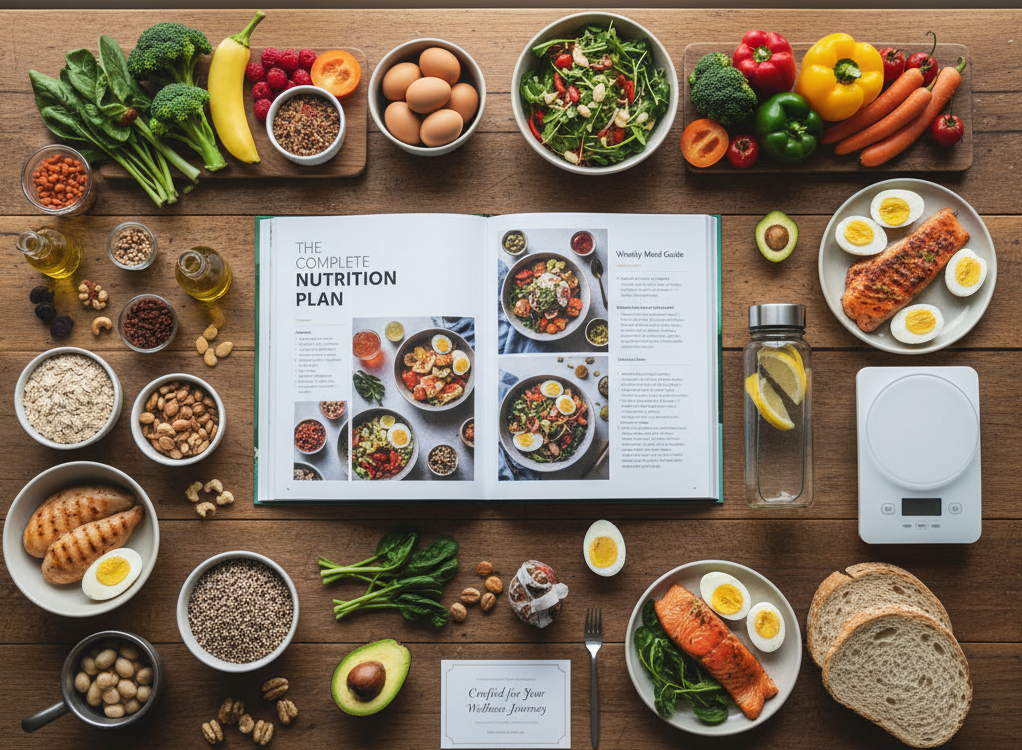
Good health starts from the inside out. A well-balanced diet not only fuels the body but also nurtures the mind, boosts immunity, and supports long-term wellness. “Nourish & Flourish: The Ultimate Diet Guide” is designed to help individuals make informed food choices, achieve optimal health, and maintain energy throughout the day.
Understanding the Basics of Nutrition
Nutrition is more than counting calories—it’s about providing the body with essential nutrients it needs to function efficiently. A complete diet includes:
-
Proteins: Crucial for building muscles, repairing tissues, and supporting immune function. Sources: eggs, lean meats, legumes, dairy, tofu.
-
Carbohydrates: The body’s primary energy source. Opt for complex carbs like whole grains, oats, quinoa, and brown rice.
-
Fats: Necessary for brain function, hormone regulation, and energy. Choose healthy fats from nuts, seeds, avocado, and olive oil.
-
Vitamins & Minerals: Vital for metabolic functions, bone health, and immunity. Found in fruits, vegetables, dairy, and fortified foods.
-
Water: Essential for hydration, digestion, and detoxification. Aim for at least 8–10 glasses daily.
Structuring Your Daily Meals
A well-structured meal plan ensures you get nutrients at the right time. Here’s a sample guide:
1. Breakfast – Start Strong
Kickstart your metabolism with a combination of protein and complex carbs. Examples:
-
Oatmeal with fruits and nuts
-
Scrambled eggs with whole-grain toast
-
Smoothie bowls with yogurt, seeds, and berries
2. Mid-Morning Snack – Sustain Energy
Small, nutritious snacks help maintain blood sugar levels:
-
Fresh fruit or vegetable sticks
-
Roasted chickpeas or nuts
-
Low-fat yogurt
3. Lunch – Balanced Fuel
Lunch should be rich in protein, fiber, and healthy carbs:
-
Grilled chicken or tofu with quinoa and steamed vegetables
-
Lentil soup with brown rice
-
Whole-grain chapati with dal and mixed vegetables
4. Afternoon Snack – Keep Going
Prevent energy slumps with light, nutrient-dense snacks:
-
Smoothie or protein shake
-
Handful of seeds or trail mix
-
Fresh fruit slices
5. Dinner – Light and Digestible
Dinner should be easy to digest while still nutritious:
-
Grilled fish or paneer with steamed vegetables
-
Vegetable stir-fry with brown rice
-
Soup with whole-grain crackers
6. Hydration and Beverages
-
Drink water throughout the day
-
Green tea or herbal infusions for antioxidants
-
Limit sugary drinks and excessive caffeine
Tips for Healthy Eating Habits
-
Portion Control: Avoid overeating by listening to your body’s hunger cues.
-
Mindful Eating: Eat slowly, savor each bite, and avoid distractions.
-
Consistency Over Perfection: Small, consistent changes have long-term benefits.
-
Include Variety: Rotate foods to ensure a wide range of nutrients.
-
Limit Processed Foods: Minimize fried, sugary, and heavily processed items.
Special Considerations
-
For Weight Management: Focus on high-fiber foods, lean protein, and healthy fats.
-
For Immunity Boost: Include citrus fruits, leafy greens, garlic, ginger, and yogurt.
-
For Energy & Focus: Complex carbs, nuts, seeds, and hydration enhance productivity.
-
For Heart Health: Prioritize omega-3-rich foods like salmon, flaxseeds, and walnuts.
Conclusion
“Nourish & Flourish” is more than a diet guide—it is a lifestyle approach to health, energy, and well-being. By understanding nutrients, structuring meals, and adopting mindful eating habits, anyone can achieve balanced nutrition, support their body’s needs, and thrive in daily life. Remember, health is a journey, and consistent nourishment is the key to flourishing at every stage of life.