

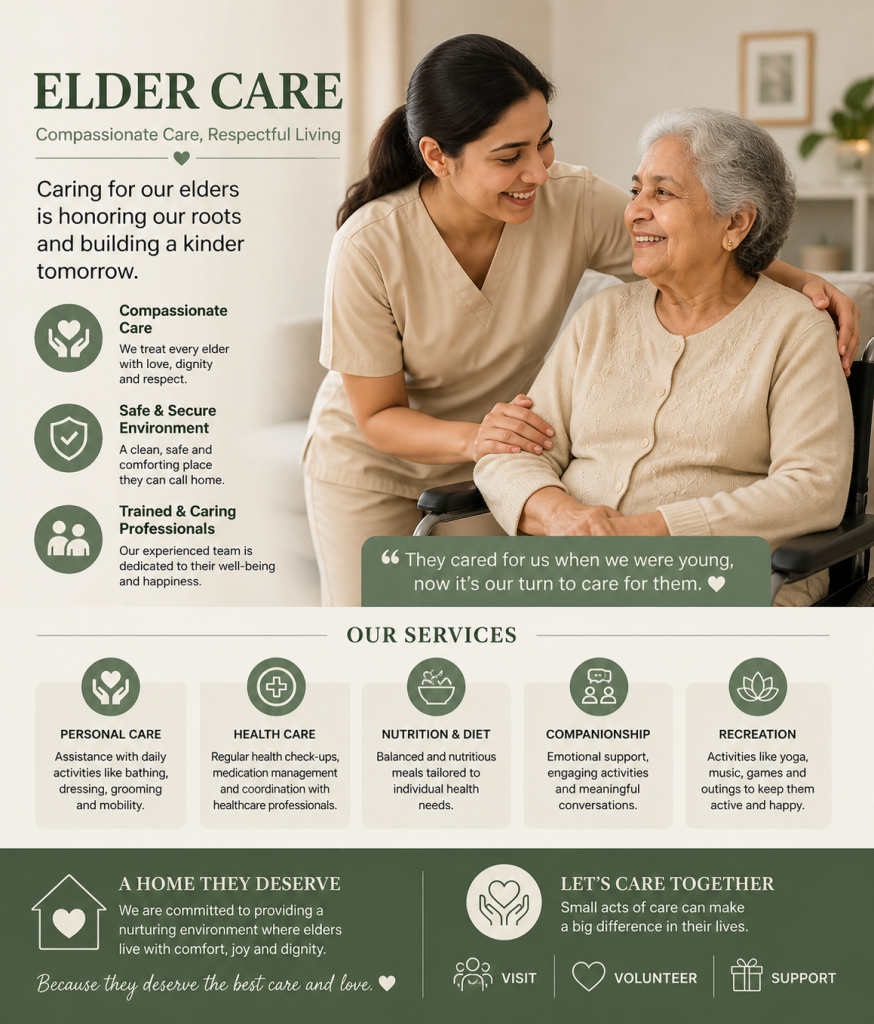
Patient Care Services: Professional Support for Safe and Comfortable Recovery at Home
Patient care services provide essential assistance to individuals who need support during illness, recovery, post-operative care, or periods of limited mobility. Professional patient care can help patients maintain comfort, hygiene, nutrition, medication routines, and daily activities while receiving care in a familiar home environment.
What Are Patient Care Services?
Patient care services are designed to support individuals who require assistance with daily healthcare-related needs. Depending on the patient’s condition, care may be provided by trained caregivers, attendants, nurses, or other qualified healthcare professionals.
These services can be arranged for short-term recovery as well as long-term care requirements.
Who May Need Patient Care Services?
Patient care support can be useful for:
- Patients recovering after surgery
- Individuals with limited mobility
- Senior citizens requiring daily assistance
- Patients recovering from injuries
- Individuals with chronic health conditions
- Patients requiring post-hospitalisation support
- People who need assistance with personal hygiene and daily activities
- Patients who require continuous supervision at home
The level of care should depend on the patient’s medical condition and the recommendations of their treating healthcare professional.
Key Patient Care Services
1. Personal Hygiene Assistance
Caregivers may assist patients with bathing, grooming, oral hygiene, changing clothes, toileting, and other personal-care activities while maintaining dignity and privacy.
2. Mobility and Positioning Support
Patients with restricted movement may require assistance while walking, transferring from bed to chair, or changing positions. Proper support can help improve comfort and reduce the risk of falls.
3. Medication Reminders
Patient caregivers may help patients follow their prescribed medication schedule by providing reminders. Medication administration should be performed only by appropriately qualified personnel and according to medical instructions.
4. Feeding and Nutrition Support
Some patients may need assistance with meals, drinking fluids, or maintaining a prescribed diet. Care should be provided according to the patient’s dietary requirements and healthcare professional’s recommendations.
5. Post-Operative Care
After surgery, patients may require additional assistance with mobility, personal care, meals, medication routines, and observation during recovery. Professional home care can provide practical support while the patient follows the treatment plan prescribed by their doctor.
6. Vital Sign Monitoring
Where clinically appropriate and within the caregiver’s qualifications, services may include monitoring parameters such as temperature, pulse, blood pressure, or oxygen saturation. Any concerning changes should be communicated promptly to the patient’s healthcare professional.
7. Bedridden Patient Care
Bedridden patients often require regular assistance with repositioning, hygiene, feeding, mobility, and general comfort. Consistent care is particularly important for patients who have limited ability to perform daily activities independently.
8. Companionship and Emotional Support
Long-term illness and restricted mobility can sometimes make patients feel isolated. A professional caregiver can provide companionship, conversation, and assistance with routine activities while maintaining appropriate professional boundaries.
Benefits of Professional Patient Care Services
Professional patient care can provide several practical benefits:
- Comfort at home: Patients can receive assistance in a familiar environment.
- Support for family members: Caregivers can help families manage day-to-day patient needs.
- Improved routine: Regular assistance can help patients maintain hygiene, nutrition, mobility, and prescribed care routines.
- Personalised attention: Care plans can be adapted to the patient’s individual requirements.
- Post-hospitalisation support: Patients may receive assistance after discharge while continuing their recovery at home.
- Greater safety: Trained caregivers can assist with mobility and routine activities that may otherwise pose difficulties.
How to Choose a Patient Care Service Provider
Selecting an appropriate patient care provider requires careful consideration. Families should evaluate the caregiver’s qualifications, experience, background verification, service scope, availability, and supervision arrangements.
It is also important to understand whether the provider offers trained nurses, patient attendants, caregivers, or a combination of services. Families should clearly communicate the patient’s condition and care requirements before starting the service.
Patient Care at Home vs. Hospital Care
Home-based patient care can be appropriate when a patient is medically stable and does not require hospital-level treatment. However, home care should not replace emergency medical treatment or professional clinical supervision when a serious medical condition is present.
Patients requiring intensive monitoring, emergency intervention, advanced procedures, or hospital-based treatment should receive care in an appropriate medical facility as advised by their healthcare professional.
Importance of a Personalised Care Plan
Every patient has different requirements. A good patient care plan should consider the patient’s mobility, daily routine, nutritional needs, medication schedule, personal hygiene requirements, medical instructions, and level of supervision required.
The family should also maintain clear communication with the treating doctor and caregiver so that changes in the patient’s condition can be addressed promptly.
Conclusion
Patient care services can provide valuable assistance to individuals who need support with daily activities, recovery, mobility, hygiene, nutrition, and routine care. Professional home-based support can also reduce the practical burden on family members while helping patients remain comfortable in their own surroundings.
Before selecting a patient care service, families should assess the patient’s specific needs and choose appropriately trained and reliable professionals. Medical decisions and treatment should always remain under the guidance of qualified healthcare professionals.